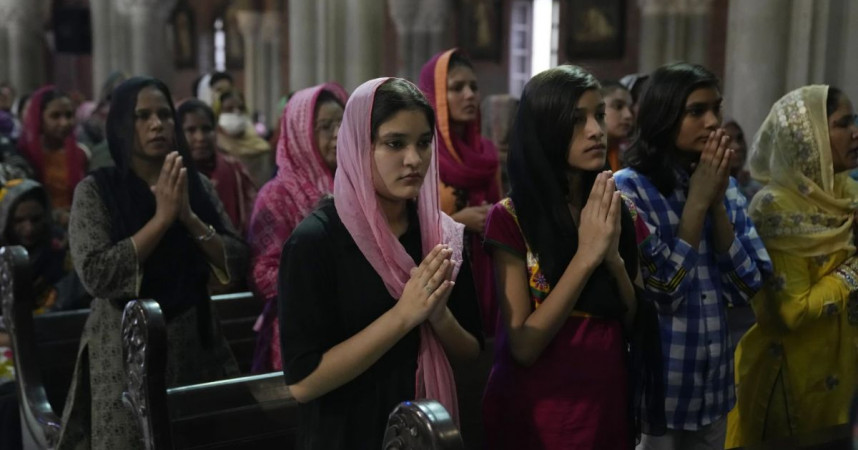
In a landmark decision, Pakistan's Supreme Court has ruled in favor of a lawsuit filed by the Christian community in the Khyber Pakhtunkhwa province. The court has directed state institutions to replace derogatory terms used for Christians with respectful ones. Instead of the term "Isai," Christians will now be referred to as "Masihi" (followers of the Messiah). This decision aims to emphasize respect for the cultural and religious identity of Christians in the country.
Human rights advocates highlight the significant impact of language in shaping societal attitudes. The change in terminology is intended to demonstrate a determined shift towards recognizing and respecting Christian communities in Pakistan. This measure is seen as a step towards religious tolerance, equal citizenship, and the protection of minority rights in the country.
Christian communities in Pakistan have actively advocated for the use of the respectful term "Masihi" in official state documents and communications. The outdated term "Isai" for Christians carries a derogatory connotation, stemming from ancient caste discrimination, similar to the term "Jesus-ites" in a loose translation. This term originated during the colonial period and has persisted in the language since. It is often used to refer to sweepers, street cleaners, and other laborers, mostly belonging to lower castes. Pakistani Christians themselves prefer the respectful term "Masihi," meaning "Messiah people" or "followers of the Messiah."
The recent linguistic change reflects the authorities' commitment to uphold and cultivate religious tolerance, acceptance, equal citizenship, and the protection of minority rights. State institutions are thus advocating and implementing the principle of equal citizenship enshrined in the country's constitution.


-

What Should We Remember?
Olga Kutanina
All Authors