North Macedonia’s Ministry of Education and Science has withdrawn a voluntary comprehensive sex education program for secondary schools and ordered a full review of its content following public controversy and criticism from the Macedonian Orthodox Church.
Education and Science Minister Vesna Janevska announced the decision, saying the curriculum would be examined “word by word” to determine whether any provisions could reasonably be challenged.
“We withdrew the program and the subject for now and will conduct a thorough review at the request of the public,” Janevska said.
The minister stressed that the course was elective rather than mandatory and was available to students from the first through fourth years of secondary school.
The controversy intensified after the new curriculum was published on September 1. It included lessons on family, prevention of sexually transmitted infections, unwanted pregnancy, gender equality and non-discrimination. Other sections addressed gender, gender identity, gender expression, sexual health and sexual and reproductive rights.
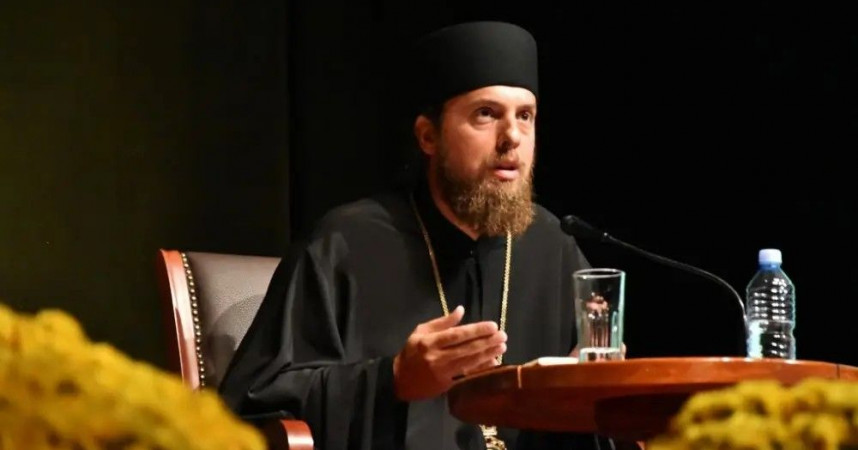
On September 6, Bishop Jakov of Stobi, a vicar bishop of the Macedonian Orthodox Church, published an open letter to Janevska sharply criticizing the curriculum and calling for its withdrawal.
The bishop argued that some of the wording shifted education away from presenting different perspectives and toward encouraging students to adopt predetermined views. He particularly objected to descriptions of expected learning outcomes that called on students to “accept” certain principles concerning sexual and reproductive rights.
Jakov also accused Janevska of contradicting positions she had taken while in opposition. He pointed to her previous criticism of education reforms introduced by the former government, including measures involving gender-related concepts.
The bishop urged the authorities to abandon the current version of the program and publish the teaching materials used in its preparation.
Janevska rejected the characterization of the course as ideological. She said the curriculum was primarily intended to address issues faced by adolescents, including health, disease prevention and unwanted pregnancy.
The minister also said scientific evidence supports the benefits of sex education in secondary schools. At the same time, she acknowledged that the ministry must take public concerns into account and therefore would reassess the program.
“I am not a specialist, but I will personally take part in the work and, together with the Bureau for Development of Education, go through the program word by word,” Janevska said.
The government has not announced a permanent cancellation of sex education. Its future will be decided after the review, including whether the course will remain in schools and what form it will take.
HERA, an organization working on sexual and reproductive health, has opposed abandoning the program altogether. The organization said adolescents need reliable information about health, personal boundaries, violence and ways of protecting themselves from potential risks.
Debates over sex education in North Macedonia have continued for several years. In 2023, representatives of the Macedonian Orthodox Church and other religious communities opposed a number of education reforms and related changes.





-

Woe to You, Actors
Alexey Shirikov
All Authors