On April 30, 2025, the Izmailovo Estate in Moscow opened a unique exhibition titled “Icons of the Soviet Period,” featuring over 100 rare examples of grassroots religious art created during the years of religious persecution in the Soviet Union from the 1920s to the 1980s. The exhibit is part of a broader cultural program commemorating the 80th anniversary of the Soviet victory in World War II.
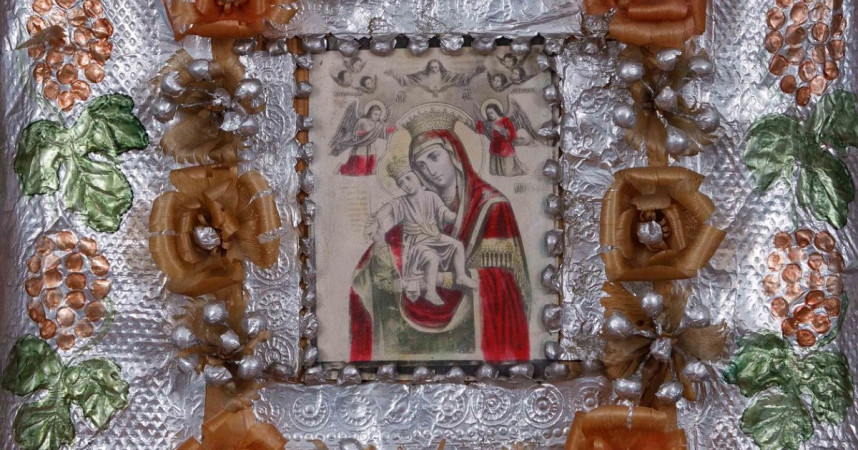
The exhibition highlights the little-known phenomenon of the “Soviet icon” — devotional images crafted by ordinary believers in defiance of state-imposed atheism. Rooted in the tradition of 19th-century printed icons, these makeshift images were often created using materials such as tin, foil, candle wax, and even pieces of wedding dresses or Pioneer scarves. In an era when open religious practice was dangerous, these icons represented both spiritual resistance and artistic ingenuity.
“Soviet icons are not just folk art objects — they are complex cultural artifacts that reveal the hidden spiritual life of Soviet citizens,” explain the exhibition’s curators. Many of the icons were distributed secretly, printed in clandestine workshops, and made with materials that had to be sourced illegally or improvised under duress.
The collection was assembled through years of fieldwork by researchers from the Center for Visual Studies of the Middle Ages and Modern Period at RSUH, led by historians Dmitry Antonov and Dmitry Doronin. The icons on display originate from various regions, including Voronezh, Tver, Lipetsk, and Nizhny Novgorod, allowing visitors to observe regional stylistic differences and local devotional traditions.
A significant section of the exhibition addresses the challenge of preserving these fragile cultural relics. As the generation of creators passes on and the icons themselves deteriorate, scholars warn that this deeply human expression of faith risks being lost before it is fully understood.
A striking example in the exhibit is the “Merciful Mother of God” icon from 20th-century Nizhny Novgorod, made of wood, glass, paper, bast fiber, foil, and dyes — a poignant illustration of the resourcefulness and devotion of its creator.


-

The Most Valuable Lesson Didn't Come from the Textbook
Tatiana Lyubomirskaya
All Authors