St. Theodore, Bishop of Rostov and Suzdal, was one of the first preachers of Christianity in the north-east of Russia. He was of Greek origin and came to Russia from Constantinople together with the clergy who accompanied St. Michael, the first Metropolitan of Kiev.
After the Baptism of Rus, Grand Duke Vladimir, together with Metropolitan Mikhail, took care of the spread of the Christian faith in the Russian lands. Bishops were appointed to various cities to confirm the newly enlightened people in the faith of Christ. Around 990, St. Michael consecrated Theodore to the episcopate and sent him to the newly built see in Rostov the Great.
Saint Theodore zealously began his ministry. He preached the Gospel, baptized the inhabitants of the Rostov and Suzdal lands, destroyed pagan temples and built Christian churches. According to the ancient life of St. Leontius of Rostov, it was Theodore who was the first bishop of Rostov and baptized the Rostov and Suzdal lands.
In Rostov, the saint built the first Christian church, a wooden church in honor of the Most Holy Theotokos. However, the inhabitants of the city, who still firmly adhered to pagan customs, met the archpastor with hostility. The Magi incited the people against the saint, and he had to endure many insults and harassment. Eventually, due to the resistance of the pagans, Bishop Theodore was forced to leave Rostov.
The saint settled in the area where the city of Suzdal later arose. Here he continued his apostolic ministry: he preached the word of God, baptized people, built churches and strengthened the Christian life. An ancient legend says that the people, seeing his godly life, meekness and hearing his inspired teaching, gradually turned to Christ and accepted Holy Baptism. Therefore, St. Theodore later became known as Suzdal.
Tradition tells us that the saint was still returning to Rostov with the Holy Prince Boris, the son of Prince Vladimir, Equal-to-the-Apostles. But even then, the preaching of Christianity met with strong resistance: pagan beliefs were deeply rooted in the people. Despite the difficulties, St. Theodore continued to serve the cause of enlightenment of the Russian land with the light of the faith of Christ.
St. Theodore died in Suzdal. The exact year of his death is unknown, but according to historical data, it dates back to the beginning of the XI century, no later than 1023. The date of his glorification is also unknown, but ancient tradition indicates that the discovery of his venerable relics occurred before the invasion of Batu, that is, before 1237.
The veneration of St. Theodore in the Suzdal land was ancient and stable. He was called the great wonderworker, believers turned to his prayers, and his relics rested for centuries in the Suzdal Cathedral church in honor of the Nativity of the Virgin. In the 18th century, the Holy Synod confirmed the ancient veneration of the saint, without deeming it necessary to re-examine his relics.
In 1794, through the efforts of Archbishop Victor of Vladimir and Suzdal, the incorruptible relics of St. Theodore were placed in a shrine made of gilded silver and openly rested in the Christmas Cathedral of Suzdal.
In Soviet times, the cathedral was closed and fell into disrepair, and the relics of the saint were exhibited in the museum. They were later returned to the Church. Currently, the venerable relics of St. Theodore rest in the Kazan Church on the Commercial Square of the city of Suzdal.
The memory of St. Theodore recalls the first decades of the Christian history of Russia, when the preaching of the Gospel required courage, patience and deep faith from the archpastors. His ministry became one of the foundations of the Christian enlightenment of the Rostov and Suzdal lands.
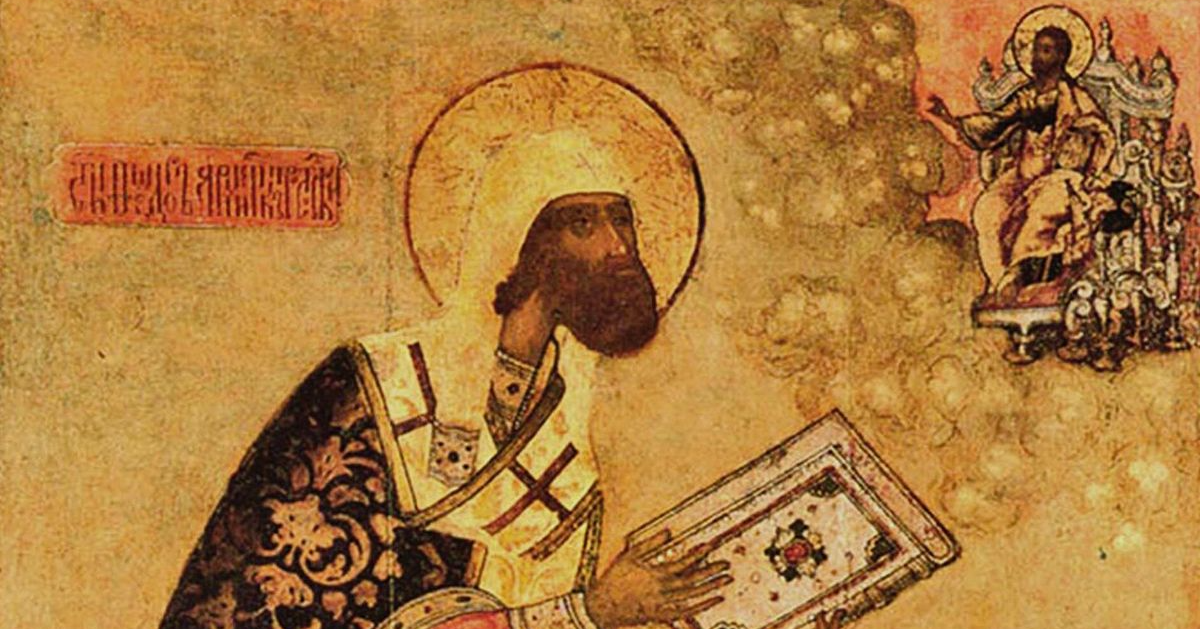
The Church remembers St. Theodore, Bishop of Rostov and Suzdal
21.06.2026, 06:00


-

What Should We Remember?
Olga Kutanina
All Authors