Metropolitan Theognost, the successor of Metropolitan Peter in Kiev and Vladimir, was a native of Constantinople. He was known as an expert on church canons. He chose Moscow as the place of his stay in Russia, not wanting to "leave the tomb of the wonderworkers," that is, Metropolitan Peter, and, like him, was the assistant and firm support of the princes of Moscow. He was driving at the time. John Kalita, Prince of Moscow, became the prince in Russia. Then silence fell in Russia, and the Moscow Principality began to grow and strengthen. But Saint Theognost had to endure a lot of hard things.
Thus, when Prince Alexander of Tver, who had incurred the wrath of Khan Uzbek, fled to Pskov, the saint was forced to close all the churches in Pskov. Then, feeling sorry for the Pskov people, Alexander fled to Lithuania, and only this prevented a new invasion of the Tatars in Russia. When Prince Alexander returned to Russia, so as not to deprive his children of their ancestral rights, and was executed with his son Theodore in the Golden Horde, Metropolitan Theognost met their bodies in Vladimir, sang a funeral service with tears, and sent them to Tver (see October 2, the Life of St. Peter the Great). Anna Kashinskaya). He reconciled Free Novgorod with the Moscow prince, and in 1346 (approx. Prince Simeon the Proud, son of Kalita) Novgorod submitted by its own will. to the prince.
In 1342, Khan Janibek wanted to destroy all the rights and privileges of the Orthodox clergy and impose tribute on them, and force the metropolitan to collect this tribute, threatening otherwise to collect it himself. The metropolitan gave all his possessions to the Tatars, but refused to take tribute from the churchmen, referring to the words of the Apostle Paul: "If anyone destroys the temple of God, God will punish him, for the temple of God is holy; and this temple is you" (1 Corinthians 3:17). He was tortured, but he did not give in, and then the khan confirmed all the rights and benefits of the Orthodox Church. When the metropolitan returned to Moscow, a terrible fire, the fourth in his reign by the Russian Church, devastated Moscow, and the metropolitan, despite the fact that he had no more funds left, began rebuilding churches the very next year.
Anticipating his demise, he appointed Bishop Alexy of Vladimir (commemorated on February 12) as his successor. He traveled around his flock very often, from the very first year of his arrival in Russia. In the last year of his life, the young hermit Bartholomew (the future Saint). Sergius (commemorated on September 25) arrived in the Radonezh forests and asked him for his blessing to create a church in the name of the Holy Trinity. The Metropolitan received him fatherly, blessed him, and gave him the requested permission. Saint Theognost fell ill in 1352, and died on March 14, 1353, and was buried in the Assumption Cathedral in the chapel of St. Peter. St. Peter the Apostle, founded by him in memory of his predecessor.
In 1471, his holy relics were found incorruptible, and in 1474, a mute was healed from them. He said that he saw the saint rise from the tomb, blessed his tongue, after which he regained the power of speech. Saint Theognost was canonized in the 19th century.
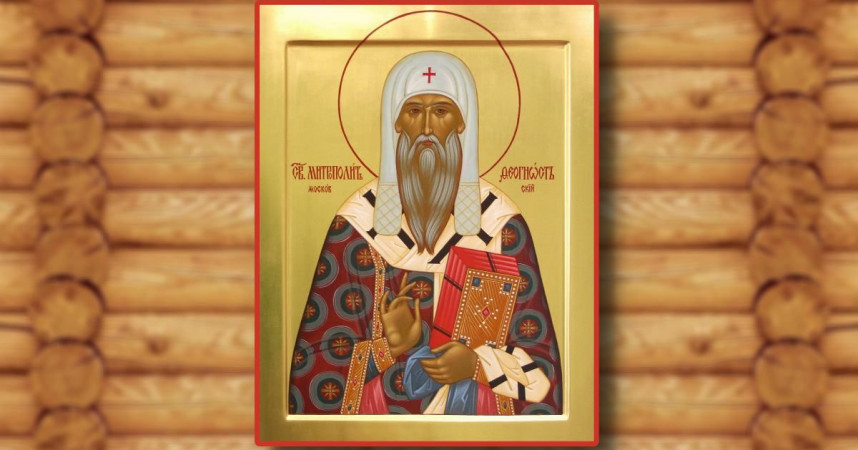
The church remembers St. Theognost, Metropolitan of Kiev and All Russia.
27.03.2026, 06:00




-
Woe to You, Actors
Alexey Shirikov
All Authors