On October 4, the Orthodox Church celebrates the finding of the relics of St. Demetrius, Metropolitan of Rostov, an outstanding preacher, spiritual writer and compiler of the lives of saints. Over the course of several centuries, his works have helped people strengthen their faith and find examples of Christian life.
The relics of the saint were found in 1752 in the Church of the Conception of the Blessed Virgin Mary of the Yakovlevsky Monastery in Rostov. During the repair of the sagging floor, his burial was discovered. According to the hagiography, despite the dampness that destroyed the wooden coffin and the manuscripts, the body of the saint and his episcopal vestments remained incorruptible. Healings began to take place at the relics, the evidence of which was examined by the church commission. In 1757, Metropolitan Dimitri was canonized.
The saint chose the place of his burial himself. Arriving at the Rostov department in 1702, he visited the Yakovlevsky Monastery and, after the Liturgy, indicated where he wanted to be buried. After his death, the residents of Rostov requested that the archpastor be buried in the city cathedral, but his friend, Metropolitan Stefan Yavorsky, insisted on fulfilling the will of the deceased.
The future saint, Daniel Savvich Tuptalo, was born in 1651 in the village of Makarov near Kiev. Raised in a pious family, he aspired to prayer and learning from his youth. Education at the Kyiv-Mohyla College helped to reveal his abilities in languages and literature. In 1668, he became a monk with the name Demetrius, in honor of the Great Martyr Demetrius of Thessalonica. Subsequently, he served as a priest and abbot, preached and engaged in spiritual education.
The main business of his life was the compilation of the Chetyamines, a collection of the lives of saints by day and month of the church year. This work was entrusted to him at the Kiev Pechersk Lavra in 1684 and required more than twenty years of work. The saint collected and compared sources, striving to make the narratives about the ascetics understandable and close to the reader. His book studies were inextricably linked with prayer: describing the lives of the saints, he himself learned from them loyalty to God, patience and humility.
After becoming head of the Rostov department, Metropolitan Dimitri continued his literary work, mentored the flock and took care of church unity. Scholarship was combined in him with modesty and non-possessiveness. After his death in 1709, the main remaining assets were books and manuscripts.
The memory of the saint encourages us to turn to spiritual reading and translate what we read into everyday activities. To discover the life of the saint, to reflect on his feat, to learn patience and attention to one's neighbor — this is how everyone can respond to the educational work of the Archpastor of Rostov.
Holy Father Demetrius, pray to God for us!
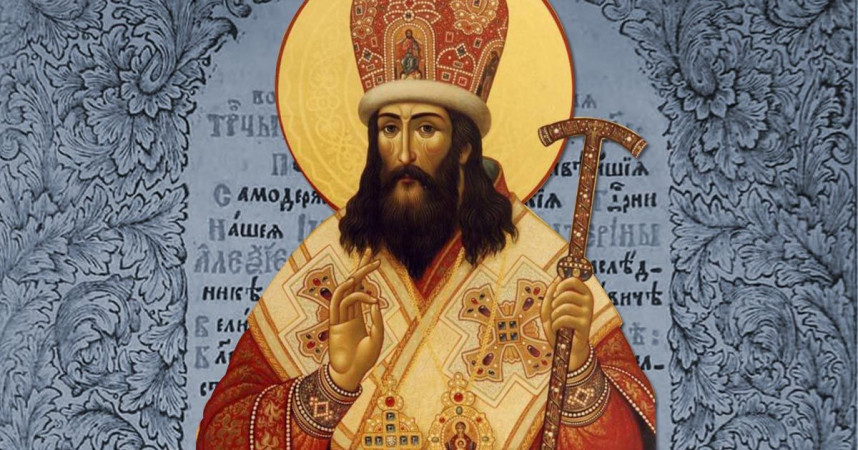
The Church commemorates the finding of the relics of St. Demetrius of Rostov
04.10.2026, 06:00





-
“I Praise You, Brothers”: The Spiritual Art of Recognizing the Good
Alexey Shirikov
All Authors