On August 29, the Russian Orthodox Church commemorates the transfer of the Uncreated Image of the Lord Jesus Christ from Edessa to Constantinople. The holiday was established in memory of the event of 944.
According to church tradition, during the Savior's earthly life, the Syrian city of Edessa was ruled by Prince Abgar, who suffered from leprosy. When he heard about the miracles of Jesus Christ, he believed in Him as the Son of God and sent his painter Ananias to Him with a letter asking for healing.
Arriving in Jerusalem, Ananias tried to paint the Face of Christ, but he failed. Then the Lord Himself called the artist, gave him a reply letter for Abgar, washed his face with water and wiped it with a cloth, on which His Face was miraculously imprinted.
After receiving the shrine, Abgar venerated it with reverence and was healed. Later, an apostle from the seventy Thaddeus, who arrived in Edessa, preached the Gospel and baptized the governor and many residents of the city. The Image, not made with hands, was installed in a niche above the city gate, where the inhabitants of Edessa worshipped it for a long time.
When one of the descendants of Abgar departed from the Christian faith, the bishop of the city, having received a revelation from above, hid the shrine: he lit a lamp in front of it and laid a niche with bricks. Over time, the storage location of the Image was forgotten.
In 545, during the siege of Edessa by the Persian army, the Most Holy Theotokos pointed out to Bishop Eulavius the place where the shrine was located. After dismantling the masonry, he discovered an Image Not made with Hands, in front of which a lamp was still burning. After the procession with the shrine along the city walls, the enemy retreated.
In 944, the Uncreated Image and the letter of the Savior to Abgar were transferred from Edessa to Constantinople. On August 16, according to the old style, the shrine was solemnly installed in the Faros Church of the Most Holy Theotokos. A church celebration was established in memory of this event.
The Image, not made with hands, occupies a special place in the Orthodox tradition. He recalls the mystery of the Incarnation of God: the invisible God became a man, entered into earthly history and revealed His Divine Face to people. By honoring an icon, Christians worship not the material from which it was created, but the Savior Himself.
In Russia, a man-made Image was placed over the entrances to temples and houses, depicted on military banners, and taken with them on hikes. The holiday, celebrated the day after the Dormition of the Blessed Virgin Mary, in folk tradition was called the Third Savior, the Savior on Canvas, as well as the Walnut or Bread Savior.
On this day, believers turn to the Lord with prayers for strengthening faith, healing mental and physical ailments, protection from adversity and help on the path of life.
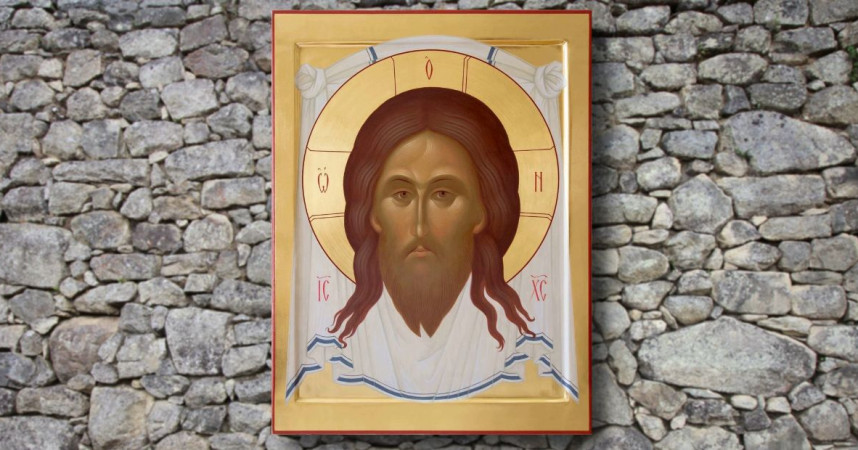
The Transfer Of the Image of the Savior Not Made With Hands
29.08.2026, 06:00




-
Woe to You, Actors
Alexey Shirikov
All Authors